SEP Biosolids
Client
San Francisco Public Utilities Commission (SFPUC)
Location
San Francisco, CA
Project Description
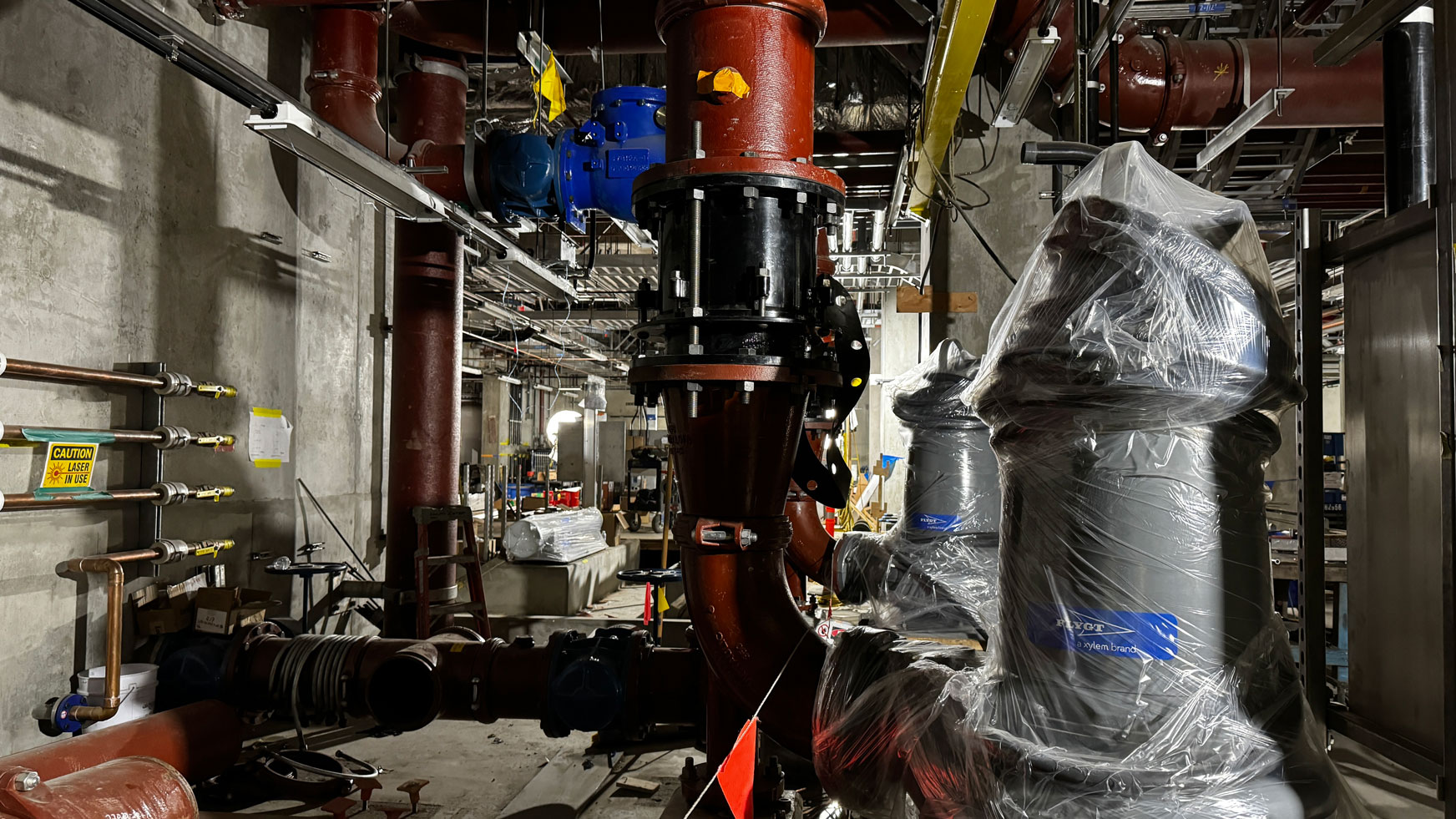
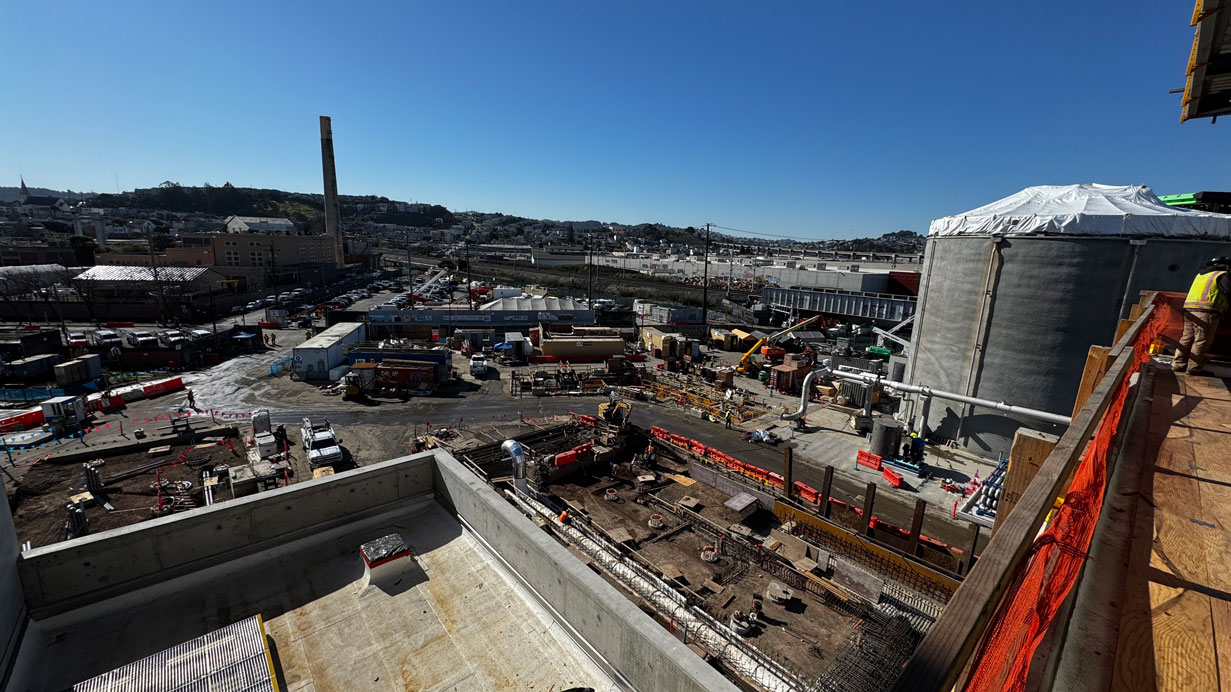
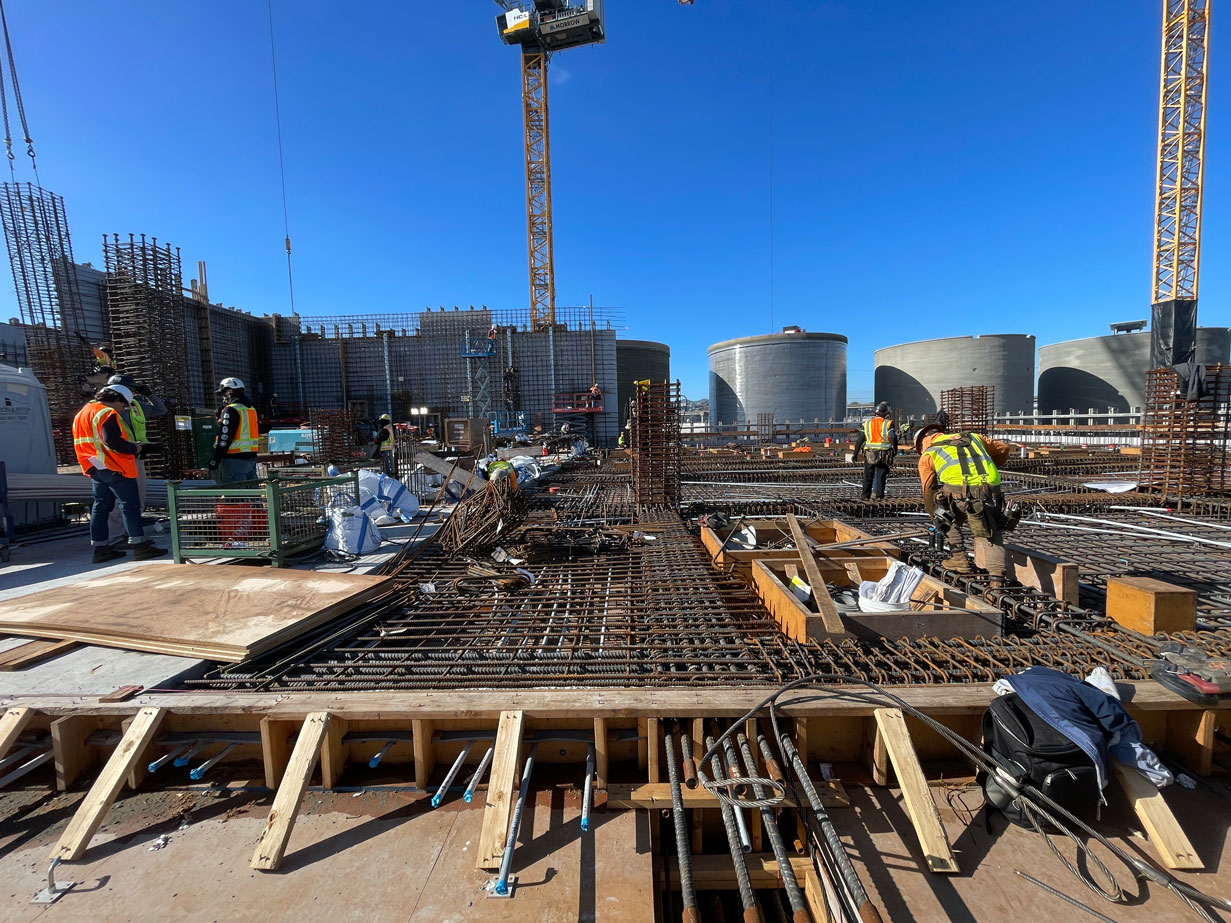
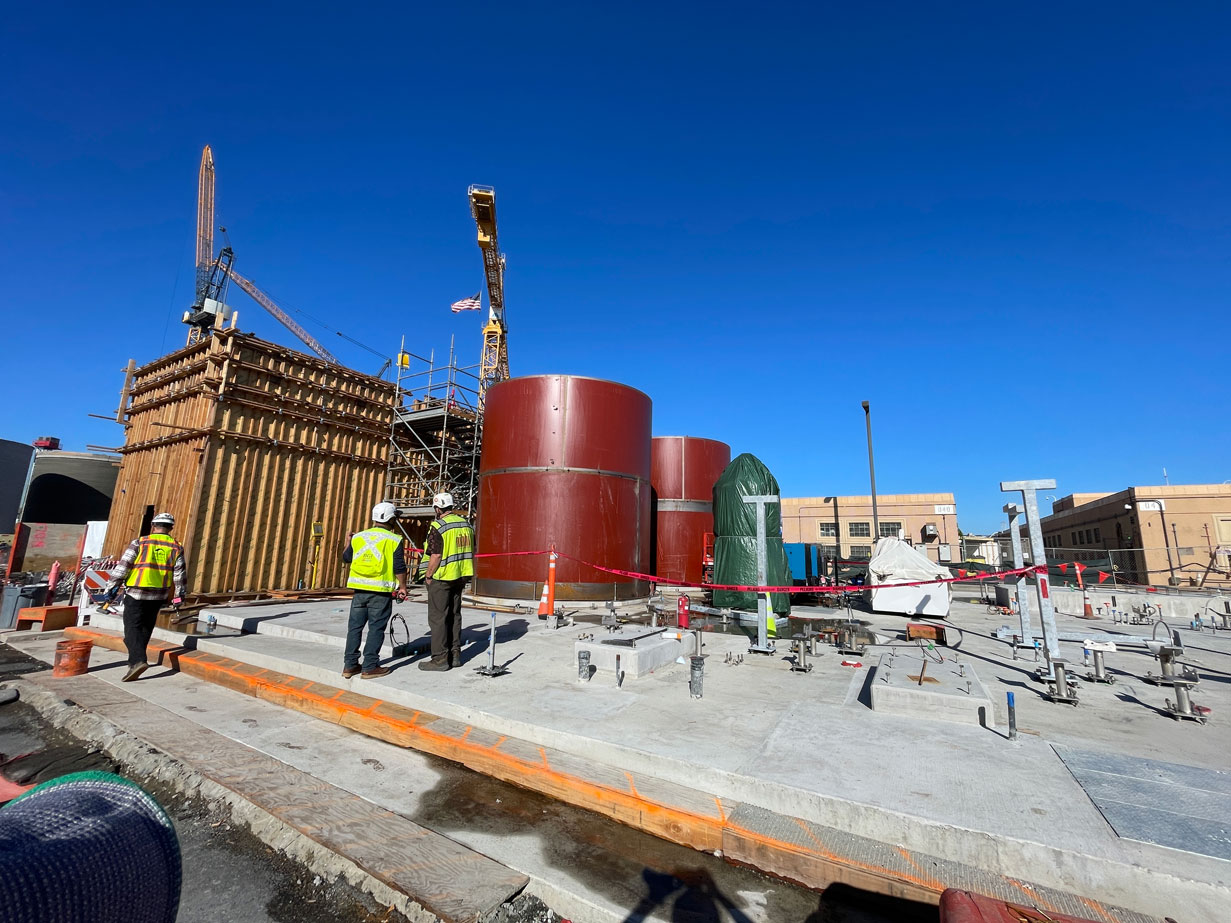
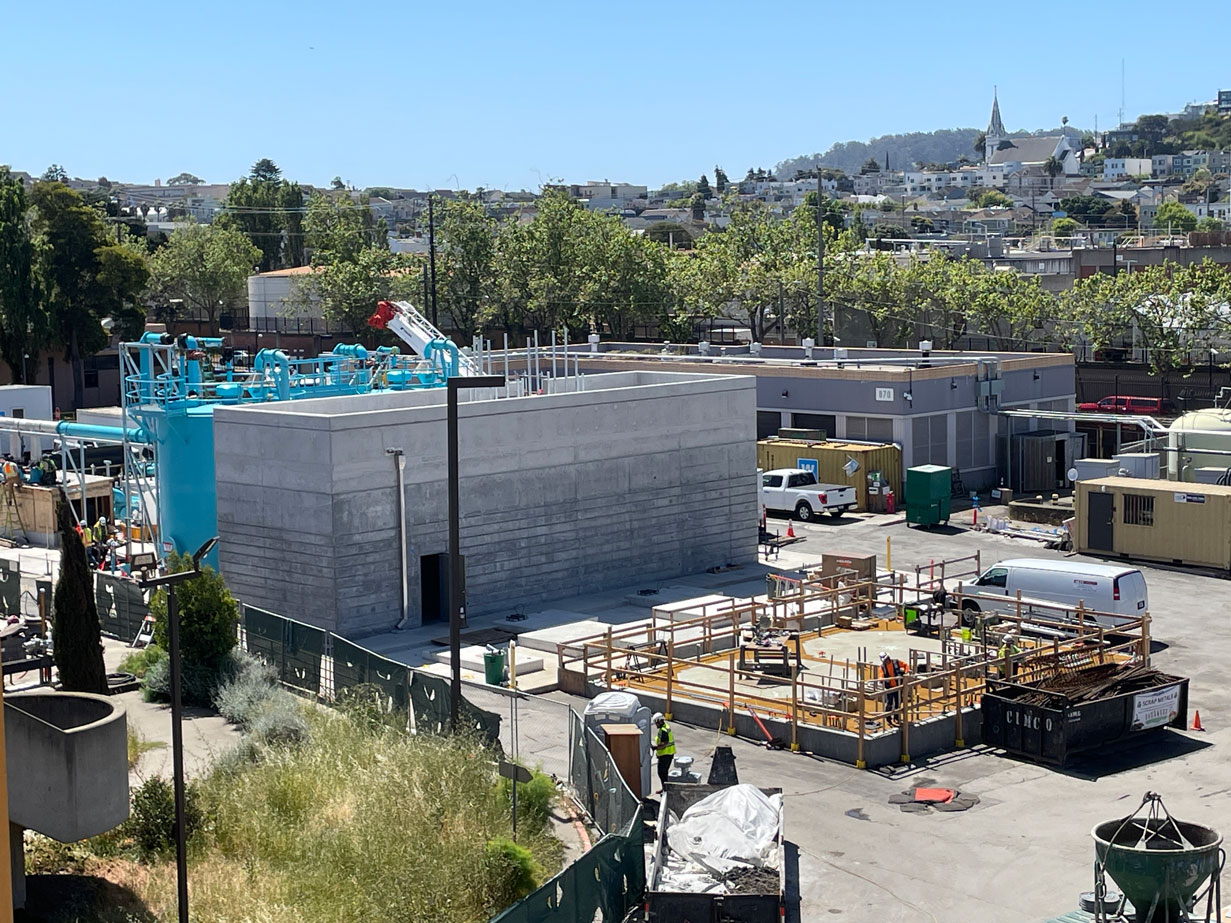
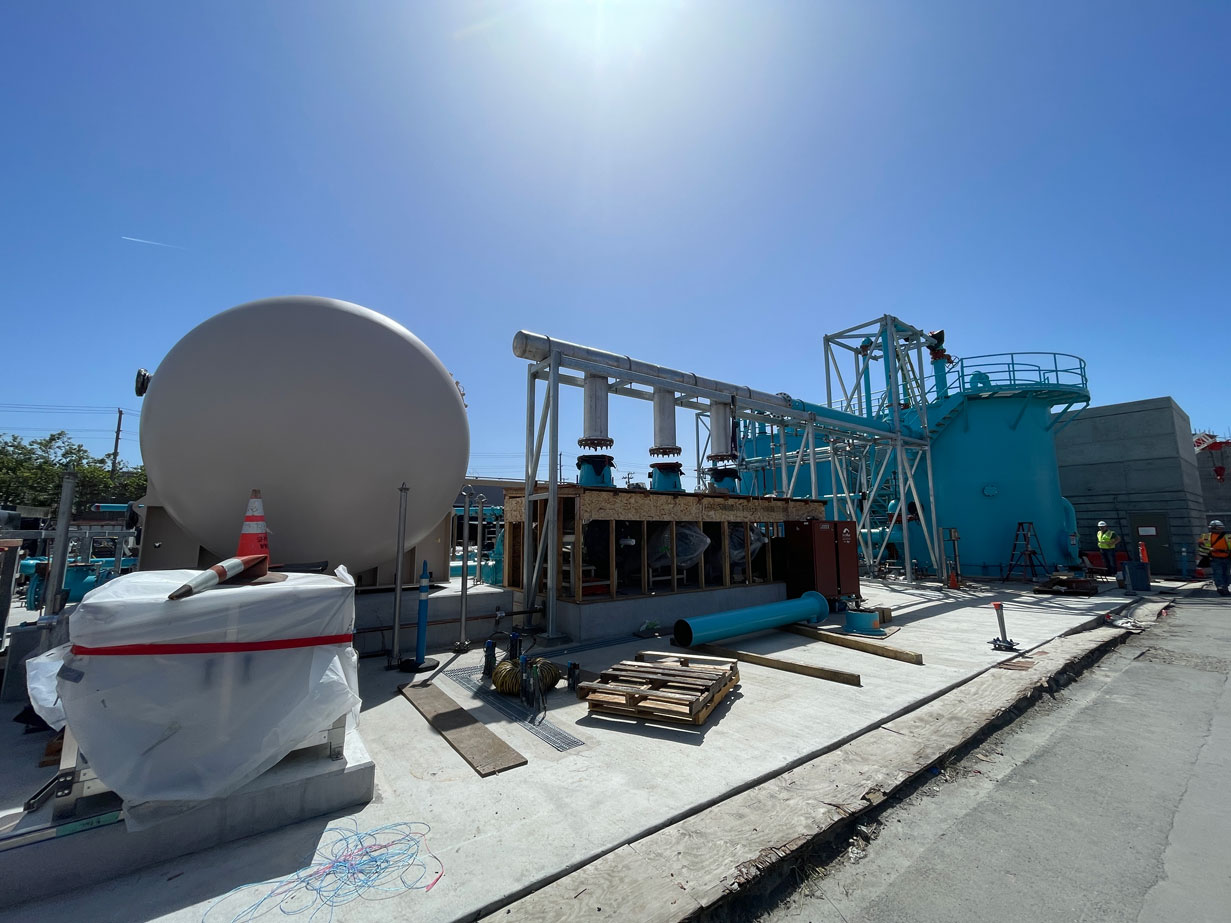
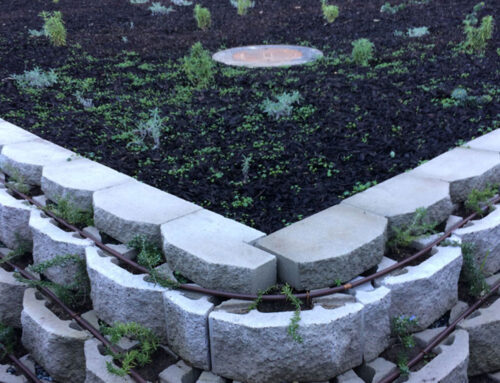
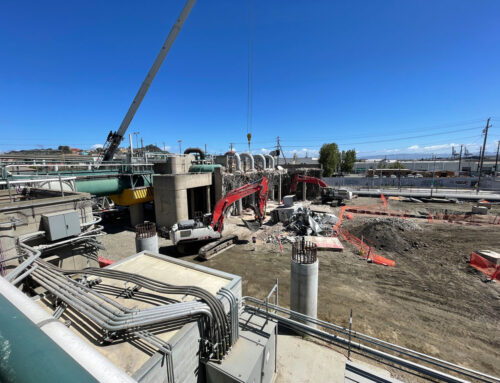
SRT designed processes and systems to enable significant, necessary upgrades to SFPUC’s Southeast Plant (SEP). SEP is the system’s largest wastewater treatment facility, handling nearly 80% of San Francisco’s combined storm and wastewater. As part of the upgrade, SFPUC will be using thermal hydrolysis to produce Class A (pathogen-free) biosolids, allowing the biosolids to be applied more widely, including as fertilizers for residential lawns and gardens. SRT designed the W2 system and the ferric chloride storage and pumping facility to enhance primary treatment and biosolids digestion and provide pathogen-free utility water to critical treatment processes.
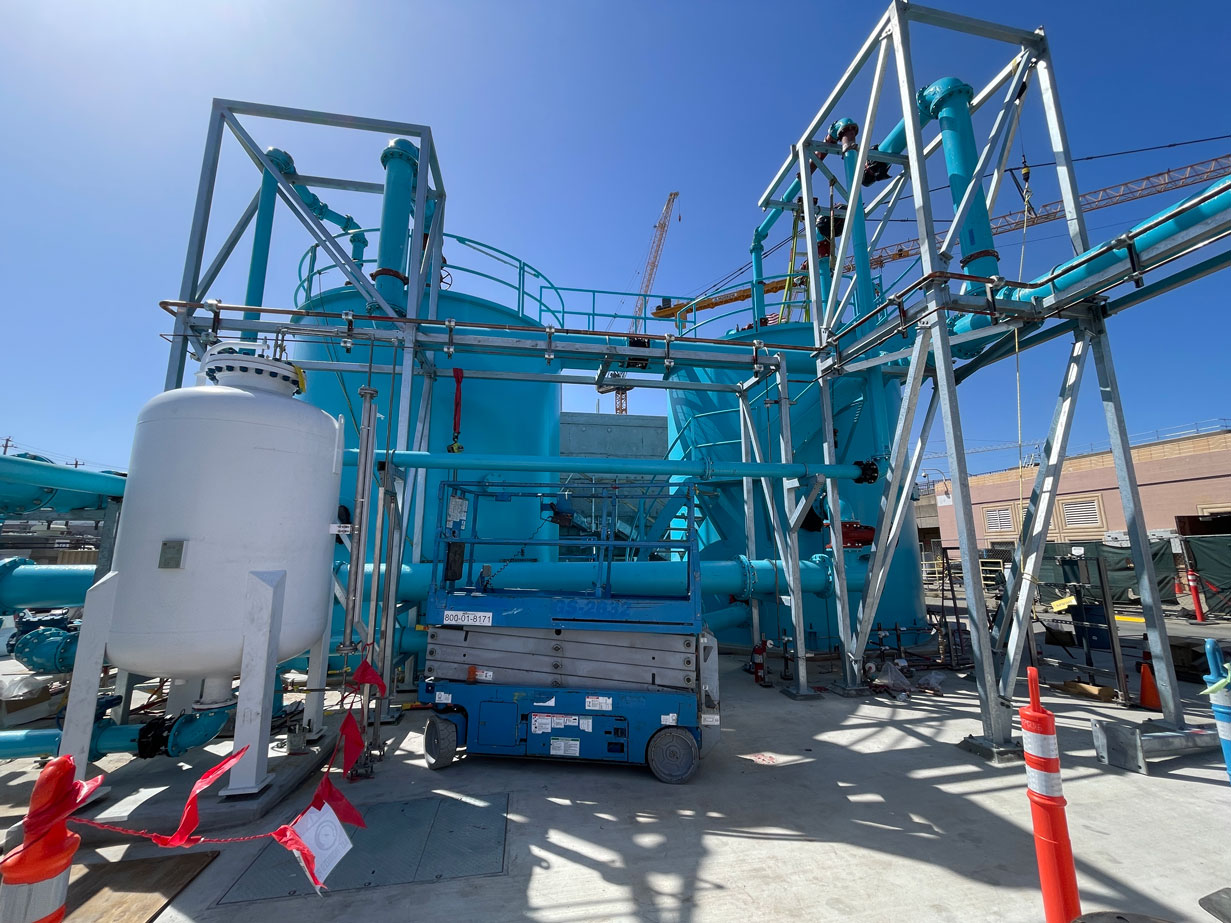
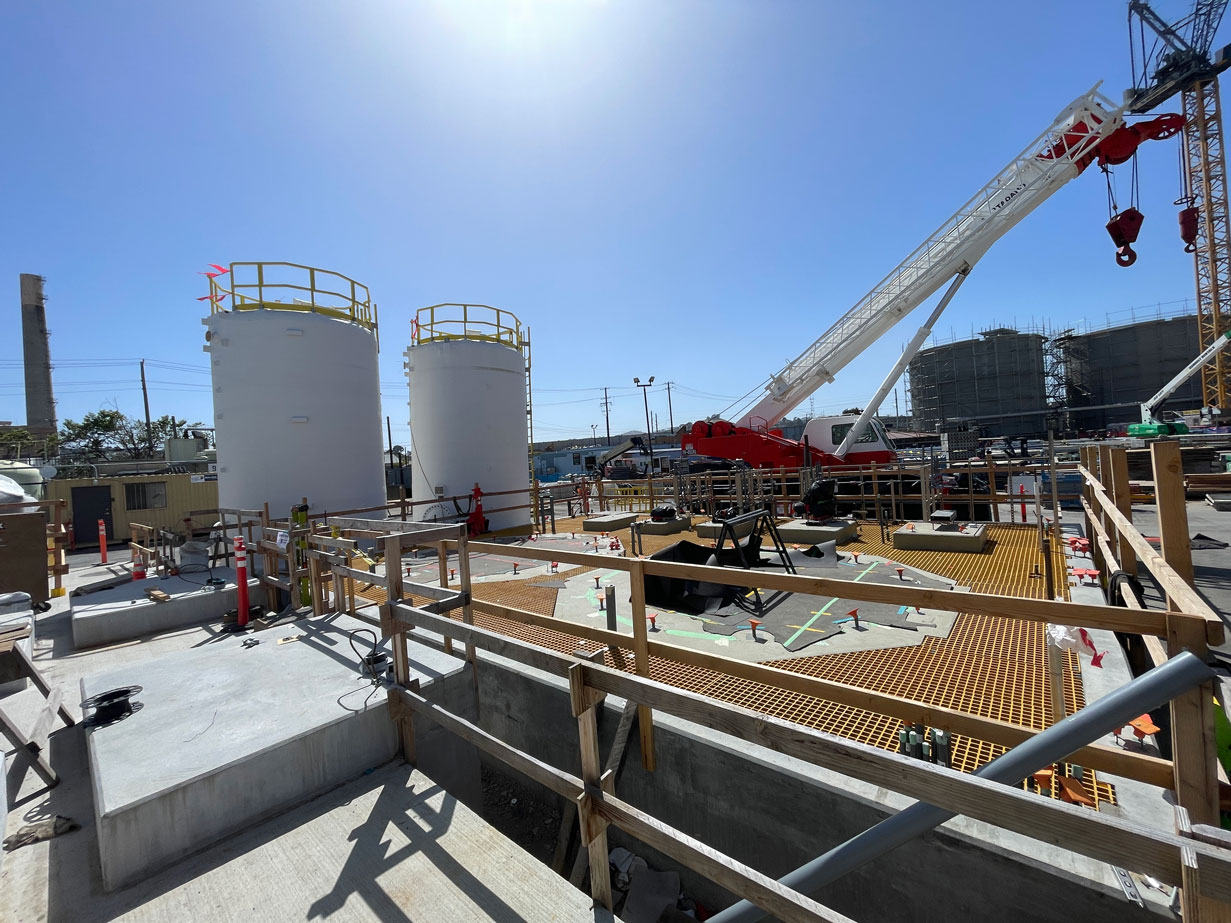
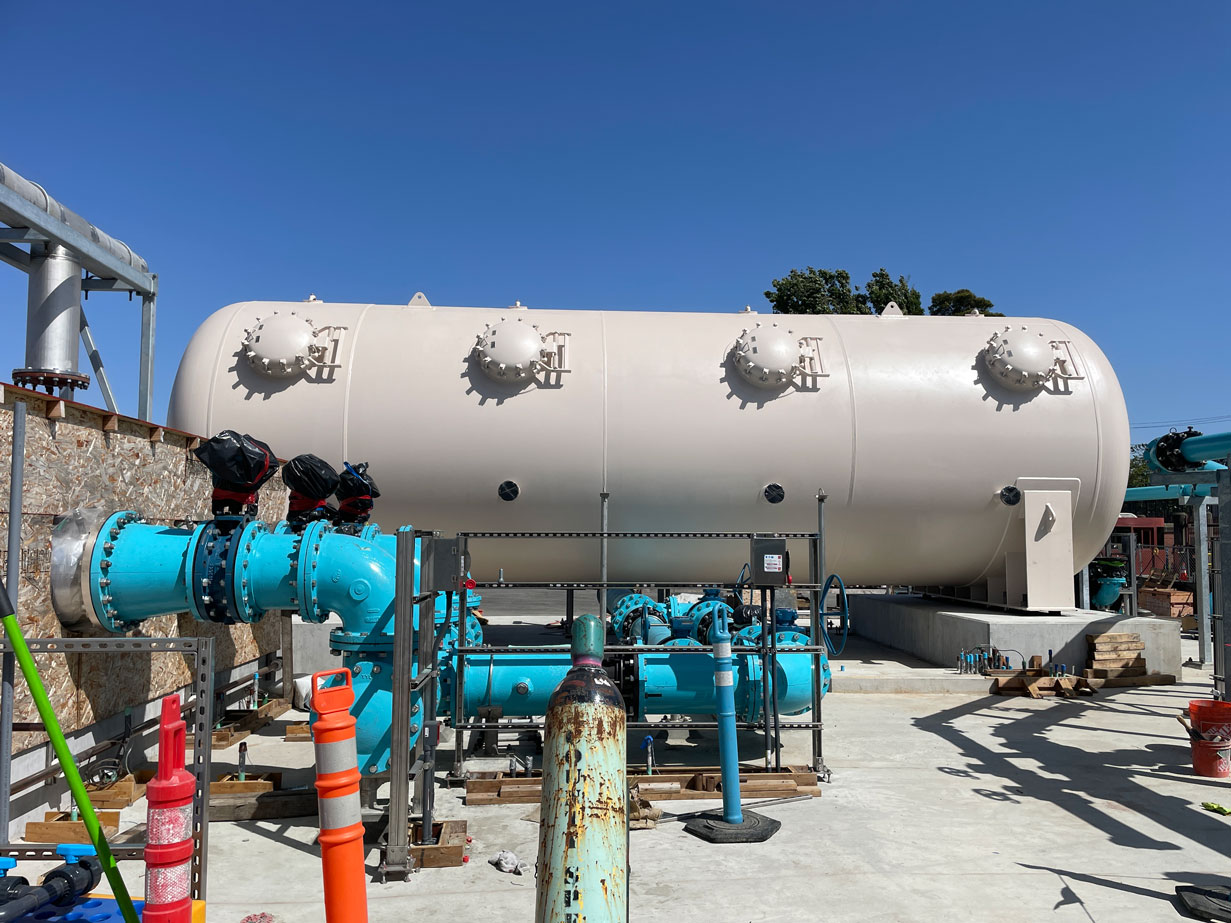
We designed the W2 system to use pressurized dual media filters, UV treatment, and pumps, creating the high quality, pathogen-free (W2) water that thermal hydrolysis requires. SRT also designed the ferric chloride storage and pumping system to reduce struvite in primary treatment and anaerobic digestion stages.
Unique Challenges
Value Added By SRT
SRT provided reliable, consistent support throughout a large, complex capital project that took more than a decade to design and construct. Our role expanded over the course of the project due to our demonstrated ability to coordinate among multiple stakeholders, adapt to changes in the design directives, and our deep institutional knowledge of the project and broader SEP operations.